Reflection of Mine tests synchronized thinking in dark puzzle
Reflection of Mine, from Redblack Spade, is a Mac puzzle game that places the player inside the fractured mind of Lilly Witchgan to explore identity through puzzles. The core mechanic requires simultaneous control of two personalities on a split interface, where every move affects both sides and puzzles evolve across 55+ levels. The package includes ten arcade stages, hand-drawn art, and an original soundtrack. It targets experienced puzzle fans who prefer dark, challenging narratives.
What kind of game is Reflection?
Inside Lilly Witchgan's fractured mind, you guide conflicting personalities through mirrored spaces where each input creates parallel consequences. The dual-character setup asks players to read two distinct obstacle sets at once, turning spatial navigation into an exercise in synchronized planning. Story beats are revealed through level progression and personality encounters, so discovery is tied to puzzle resolution rather than separate cutscenes.
Does it offer alternate modes and control options?
Alongside the single-player campaign, Reflection adds an arcade mode consisting of ten additional stages intended for compact runs. Control options include:
- full controller support
- keyboard and mouse
- touch where supported
What does the game look and sound like?
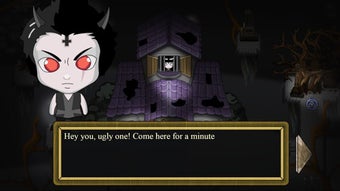
Presentation relies on hand-drawn visuals that emphasize psychological and dark themes, with environments framed to suggest fragmented memory and inner conflict. The original soundtrack, composed by Expecte Amour, uses ambient textures and restrained melodies to heighten tension without overt cues. The interface keeps prompts minimal so attention stays on split layouts and contrast, making art and audio active components of mood-setting.
Is it hard to get started?
Difficulty is prominent; puzzles demand precise timing and coordinated moves from early stages, a pattern often likened to 'Souls-like' challenge within a puzzle framework. The collection exceeds fifty-five puzzles and progression emphasizes pattern recognition and patience. Because hints become available only after multiple failures, onboarding is steep for newcomers. Players who seek sustained, demanding problem-solving find a clear trajectory; casual players face a sharp threshold to accessability.
Who should try it and who should hesitate
Reflection is a demanding, atmospheric title best suited to experienced puzzle players who accept conceptual difficulty and ambiguous storytelling. Its treatment of dissociative identity disorder can feel confronting, which narrows its appeal. The steep learning curve reduces casual accessibility, so recommend it to players who prioritize intense problem-solving and narrative risk; those preferring gentle introductions should approach with caution.